Kategorie: Unterrichtsmaterial
Worksheet 2: "Mr. Smith Goes to Washington" (Frank Capra, USA 1939): Introduction to the film
Worksheet on the Film "Mr. Smith Goes to Washington" for English Classes

"Mr. Smith Goes to Washington" (Frank Capra, USA 1939): Introduction to the film
Before the screening:
a) What characteristics should a politician have? Highlight five of the following terms:
honesty – willingness to compromise – patriotism – assertiveness/effectiveness – idealism – social conscience – experience – credibility – courage – down-to-earth nature – independence
Compare your results in class. Together, rank the characteristics on the board and add characteristics that you find important. Keep the ranking in mind while you watch the film.
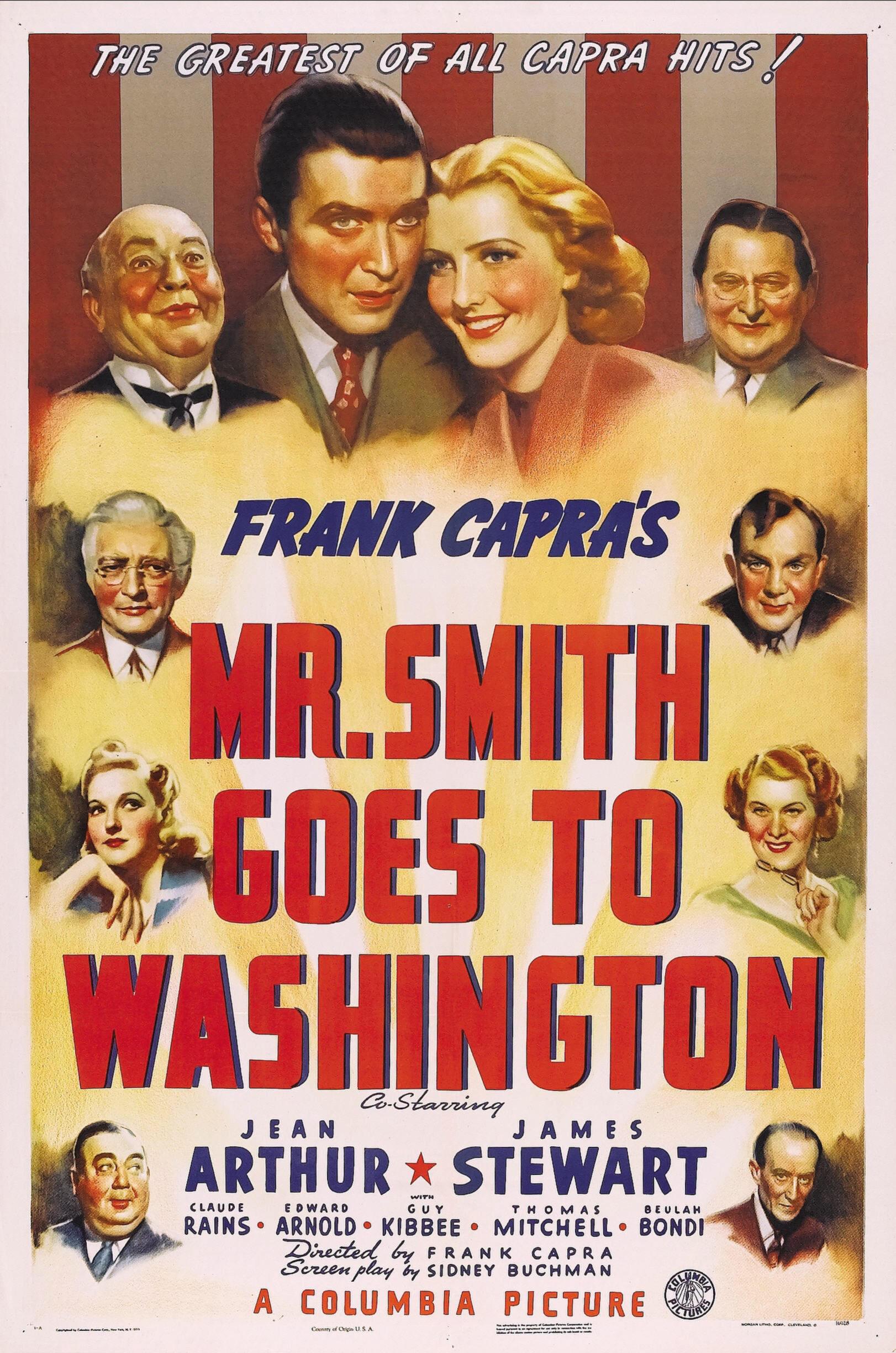
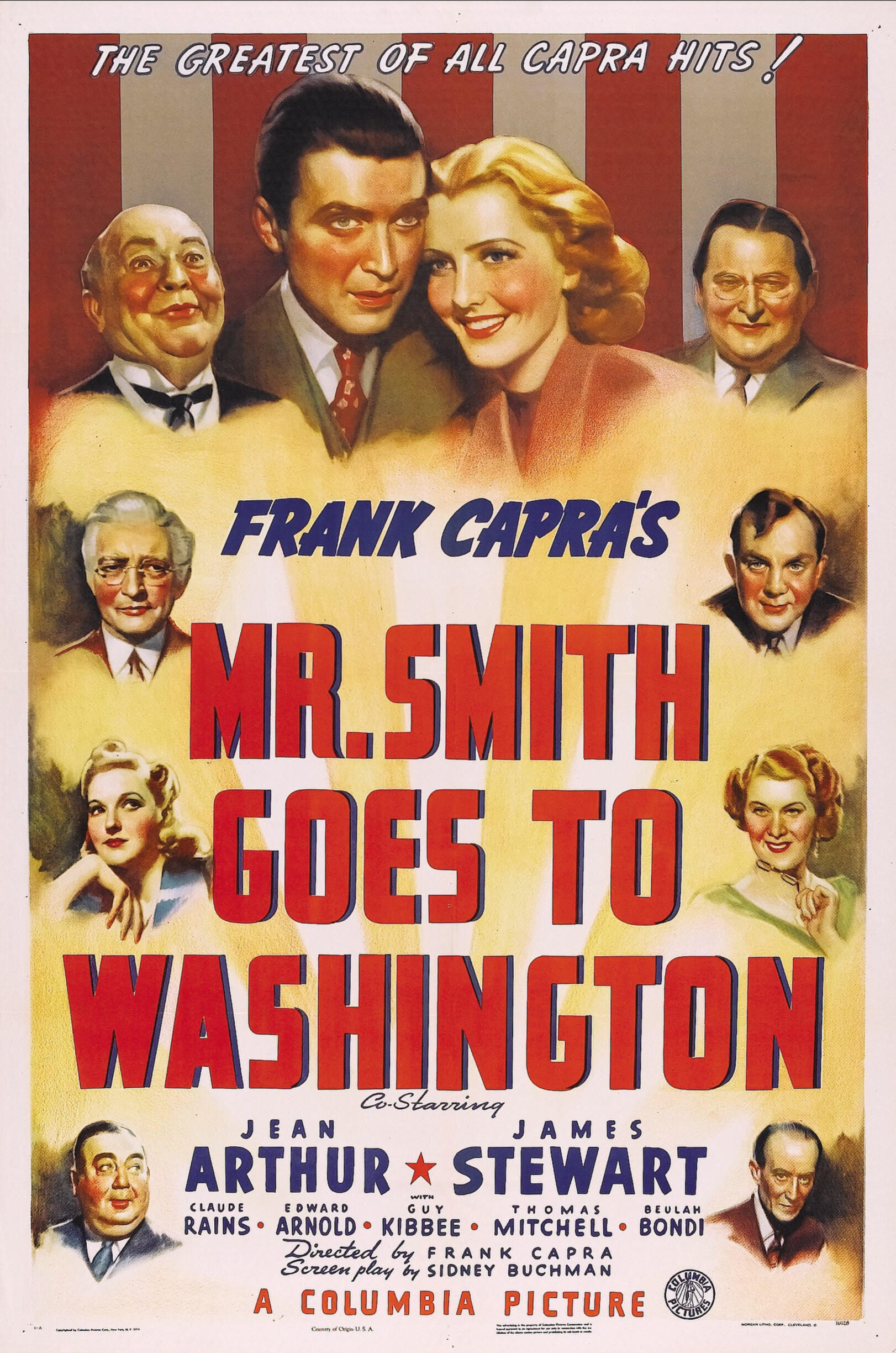
b) Look at the film poster for "Mr. Smith Goes to Washington" and read the following summary:
To his surprise, the idealistic Jefferson Smith is appointed to the US Senate. In his new role, he becomes embroiled in a conflict between influential politicians and business interests.
Discuss the following questions about the film:
To which film Zum Inhalt: genre might it belong?
What kind of difficulties could Jefferson Smith encounter?
What role might be played by power and corruption?
Will the film have an optimistic or positive outlook on democracy?
Compare the results of your reflections in class.
picture alliance / Mary Evans/AF Archive | AF Archive
During the screening:
c) Take note of how democratic values are portrayed. Pay attention to Zum Inhalt: scenes in which
Jefferson Smith stands up for his convictions,
political power is abused,
media influence public opinion,
optional: scenes in which citizens play a role in the political process.
Note also which character you find the most convincing or surprising.
After the screening:
d) Split up into small groups and discuss the results of exercises b) and c). To what extent were your expectations confirmed? Then compare the ranking from the beginning of the exercise with the characteristics of the characters in the film. Answer the following central questions:
1. What is the conflict at the heart of the film?
2. Why does Jefferson Smith get into difficulties and what role does Senator Paine play in the process?
3. What message does the film convey about democracy?
optional:
4. Does the film portray political institutions as a problem or a solution?
e) Compare the results of your discussions in class.
f) The famous Zum externen Inhalt: filibuster scene (öffnet im neuen Tab) shows Jefferson Smith trying to convince the public of his political opinions. In his speech, he defends the democratic ideals of the US against corruption, abuse of power and political manipulation. Smith demands courage, honesty and the involvement of every individual citizen.
Write a short speech from the perspective of a modern-day “Mr. Smith” in the year 2026.
Address current issues such as social media, political polarization, disinformation, and social cohesion. (Length: approx. 150–250 words)
g) Present your speeches in small groups. Pay close attention to the other speakers and write down:
an especially convincing statement,
a reference to the film,
a reference to current political issues.
Afterwards, discuss what the speeches had in common and what made them different.
h) Debate in class which values and problems were mentioned most often in the speeches. Together, evaluate the following question:
Do the ideals of liberty, equality, and the pursuit of happiness proclaimed in 1776 still resonate in the America portrayed in the film and in the United States of 2026, or do they remain goals yet to be fully achieved?
Back up your verdict with examples from the film, the speeches and the results of the previous exercises.